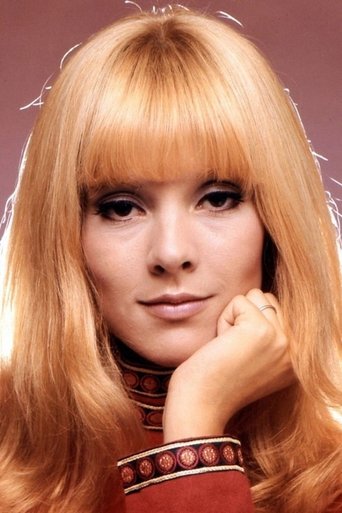
Actriță
Sylvie Vartan
Sylvie Vartan (born Sylvie Georges Vartanian on 15 August 1944) is a Bulgarian-Armenian-French singer and actress. She is known as one of the most productive and tough-sounding yé-yé artists. Her performances often featured elaborate show-dance choreography,[and she made many appearances on French and Italian TV. Yearly shows with then-husband Johnny Hallyday attracted full houses at the Olympia and the Palais des congrès de Paris throughout the 1960s and mid-1970s. In 2004, after a break in performances, she began recording and giving concerts of jazz ballads in francophone countries. Sylvie Vartan was born in Iskrets, Sofia Province, in the then Kingdom of Bulgaria. Her father, Georges Vartanian (1912–1970), was born in France to a Bulgarian mother named Slavka and an Armenian father. He worked as an attaché at the French embassy in Sofia. The family shortened the name Vartanian to Vartan. Her mother, Ilona (née Mayer 1914–2007), daughter of prominent architect Rudolf Mayer, was of Hungarian-Jewish descent. When the Soviet Army invaded Bulgaria in September 1944, the Vartanian family house was nationalised and they moved to Sofia. In 1952, a friend of Sylvie's father, film director Dako Dakovski, offered her the role of a schoolgirl in the movie Pod igoto, a film about Bulgarian rebels against the Ottoman occupation. Participating in the film made her dream of becoming an entertainer come true. The hardships of postwar Bulgaria made the family emigrate to Paris in December 1952. At first they stayed in the Lion d'Argent hotel near Les Halles, where Georges found a job, then for the next four years they stayed in a single room at the Angleterre Hotel. Young Sylvie had to work hard to keep up at school and blend in with her schoolmates. She spent two years learning French. In 1960, her family moved to an apartment in Michel Bizot Avenue. Thanks to the influence of her music producer brother Eddie, music became teenage Sylvie's main interest. Her most influential genres were jazz and, out of spite toward her strict high school, rock 'n' roll. Her favourite artists included Brenda Lee, Bill Haley, and Elvis Presley. In 1961, Eddie offered Sylvie the chance to record the song "Panne d'essence" with French rocker Frankie Jordan. The Decca Records EP was a surprise hit. Although she was not credited on the sleeve, "Panne d'essence" provided Vartan her first appearance on French television. The journalists gave her the nickname la collégienne du twist. After the "twisting schoolgirl" had finished the Victor Hugo High School, she was free to sign a contract with Decca Records to start recording her own EP; carrying the title song "Quand le film est triste", a cover of Sue Thompson's "Sad Movies (Make Me Cry)", the EP was on sale by the beginning of December 1961. ... Source: Article "Sylvie Vartan" from Wikipedia in English, licensed under CC-BY-SA.
Născut
15 august 1944
Zodie
Leu
Vârstă
81 ani
Locul nașterii
Iskretz, Bulgaria
Universul filmelor sale
Colaborări frecvente
Regie · 2 filme
Matthieu Jaubert
L'Âge d'or de la pub, La TV des 70's : Quand Giscard était président
Parteneri frecvenți

Filme
29 filme
Ma mère, Dieu et Sylvie Vartan
Sylvie Vartan
2025
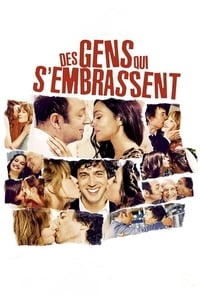
Des gens qui s'embrassent
Une people à Cannes soirée Melko
2013
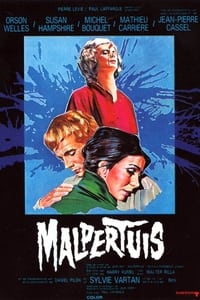
Malpertuis
Bets
1972
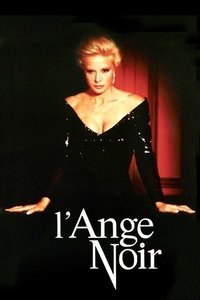
L'Ange noir
Stéphane Feuvrier
1994
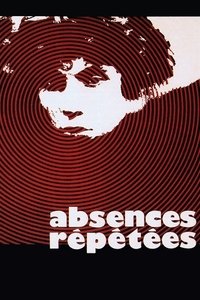
Absences répétées
Une femme à la soirée mondaine
1972
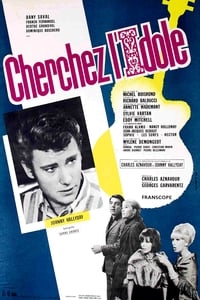
Cherchez l'idole
Sylvie Vartan
1964

Johnny Hallyday : Parc des Princes 93
Self
1993

Un clair de Lune à Maubeuge
La chanteuse yéyé
1962
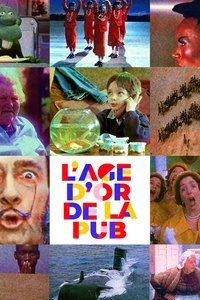
L'Âge d'or de la pub
Self (archive footage)
2023
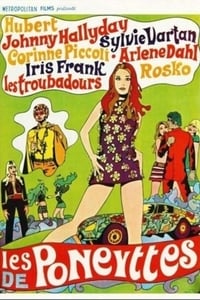
Les Poneyttes
Sylvie Vartan
1967
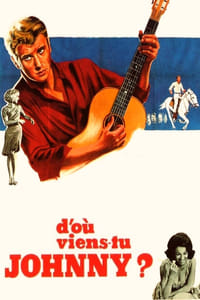
De unde vii tu, Johnny?
Gigi
1963
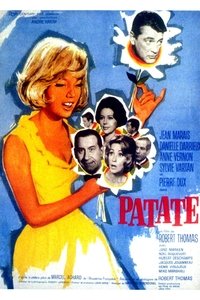
Patate
Alexa Rollo
1964
La TV des 70's : Quand Giscard était président
Self (archive footage)
2022
Sheila, toutes ces vies-là
Self (archive footage)
2022
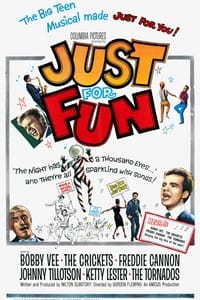
Just for Fun
Self
1963
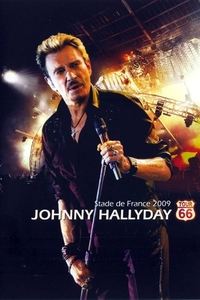
Johnny Hallyday : Tour 66 - Stade de France
Self
2009
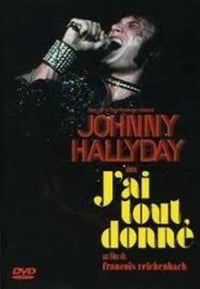
J'ai tout donné
Self
1972
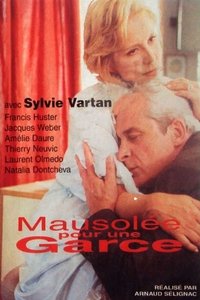
Mausolée pour une garce
Agnès Taride
2001
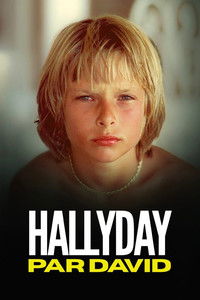
Hallyday par David
Self
2025
Rare and Unseen: The Beatles
Self
2008
Sunset People
Self
1984
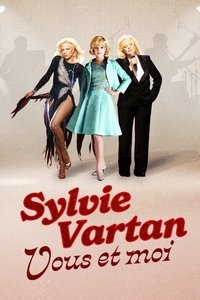
Sylvie Vartan, vous et moi
Self
2025
25 ans de Laurent Gerra à la radio
Self : Guest
2025
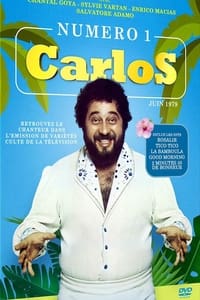
Carlos Numéro 1
Self
1979