Actor
Massimo Girotti
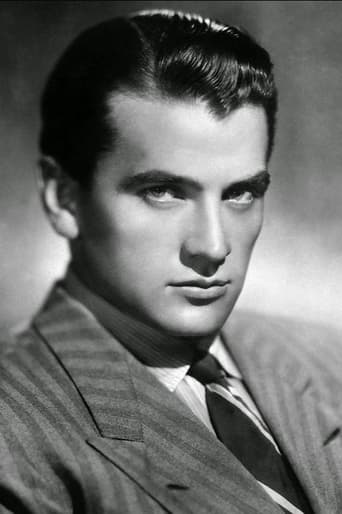
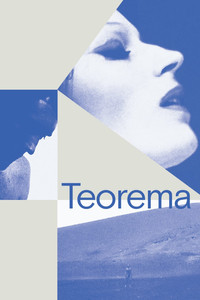
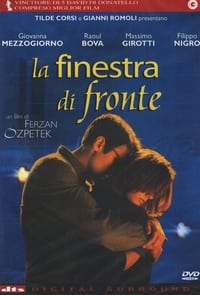
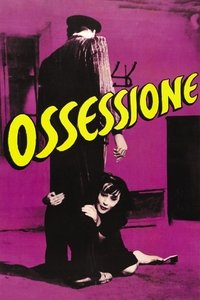
Massimo Girotti (18 May 1918 – 5 January 2003) was an Italian film actor whose career spanned seven decades. Born in Mogliano, in the province of Macerata, Girotti developed his athletic physique by swimming and playing polo. While studying engineering, he attracted the attention of Mario Soldati, who offered him a small part in the film Dora Nelson (1939), but it was not until later, in Alessandro Blasetti's La corona di ferro (The Iron Crown) (1941) and Roberto Rossellini's Un Pilota ritorna (A Pilot Returns) (1942), that he began to make an impression as a serious actor. In 1943 came a turning point in his career when Luchino Visconti cast him opposite the torrid Clara Calamai in Ossessione (Obsession), an earlier adaptation of the same novel on which Hollywood's The Postman Always Rings Twice is based. The film marked, in a sense, the birth of Italian neo-realism. Some of his notable post-war films include Caccia tragica (The Tragic Hunt) (1946) by Giuseppe De Santis and In nome della legge (1949) (In the Name of the Law) by Pietro Germi. In 1950, he starred opposite Lucia Bosé in Michelangelo Antonioni's first full-length feature, Cronaca di un amore (Story of a Love Affair) (1950). In 1953, he played Spartacus in an Italian epic film known in the US as Sins of Rome and then, returned to work again for Visconti, in Senso (1954), giving perhaps the finest performance of his career. In the years which followed, he appeared in many mainly Italian films for directors such as Lizzani, Bolognini, Vittorio Cottafavi, Lattuada, but it was not until 1968 that he once again played a role worthy of his talents - that of the father in Pasolini's Teorema (Theorem) with Terence Stamp and Silvana Mangano. Two years later, Pasolini cast him as Creonte opposite Maria Callas in his Medea (1969). In 1972, he was in Bernardo Bertolucci's Last Tango in Paris. That same year he made a rare appearance in a horror film when he agreed to a supporting role in Baron Blood as a favor to its director Mario Bava. He continued to act in character roles for the next thirty years. Some of the films he appeared in have been notable, including Joseph Losey's Monsieur Klein (1976) with Alain Delon and Jeanne Moreau, Art of Love (1983) by Walerian Borowczyk, the 1985 television miniseries Quo Vadis?, Roberto Benigni's Il mostro (The Monster) (1994). He died in Rome of a heart attack after having just completed his last film, Ferzan Özpetek's La Finestra di fronte (Facing Windows) (2003). Source: Article "Massimo Girotti" from Wikipedia in English, licensed under CC-BY-SA.
Născut
18 mai 1918
Zodie
Taur
Decedat
5 ianuarie 2003
Locul nașterii
Mogliano, Macerata, Italy
Universul filmelor sale
Colaborări frecvente
Regie · 3 filme
Luchino Visconti
Obsesia, Senso, L'innocente
Regie · 2 filme
Pier Paolo Pasolini
Teorema, Medea
Parteneri frecvenți

Filme
97 filme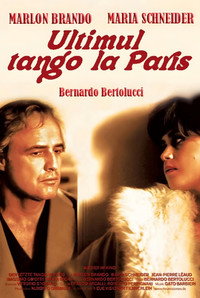
Ultimul tango la Paris
Marcel
1972

Monstrul
il condomino distinto
1994
Teorema
Paolo, the Father
1968
Ferestrele din față
Simone / Davide Veroli
2003

Domnul Klein
Charles, Florence's husband
1976
Obsesia
Gino Costa
1943
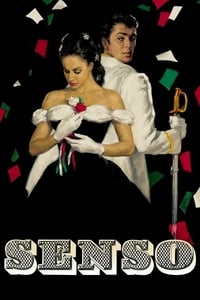
Senso
Il Marchese Roberto Ussoni
1954
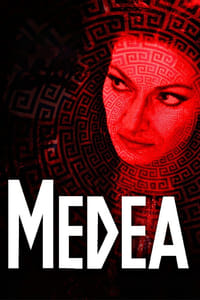
Medea
Creonte
1969
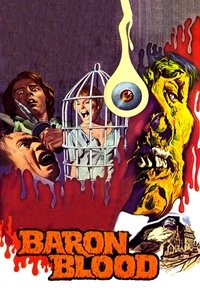
Gli orrori del castello di Norimberga
Dr. Karl Hummel
1972
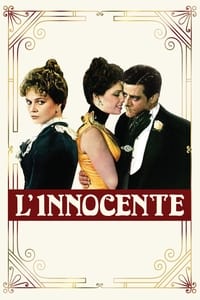
L'innocente
Count Stefano Egano
1976
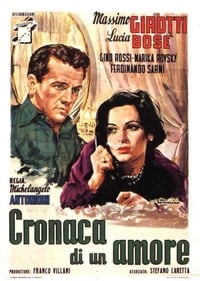
Cronaca di un amore
Guido
1950
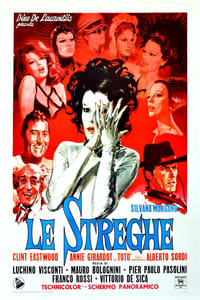
Vrăjitoarele
Sportsman (segment "La strega bruciata viva")
1967
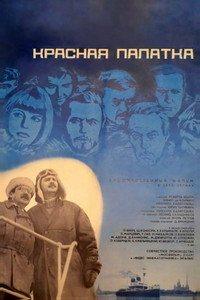
Красная палатка
Giuseppe Romagna Manoja
1969
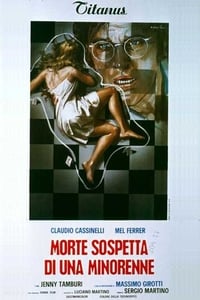
Moartea suspectă a unei minore
Gaudenzio Pesce
1975
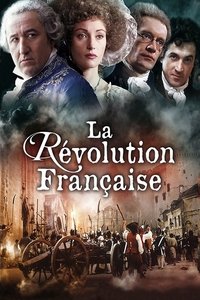
La Révolution française
Envoyé du Pape
1989
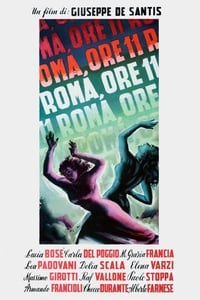
Roma, ore 11
Nando the Unemployed
1952
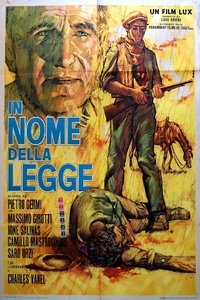
In nome della legge
Il pretore Guido Schiavi
1949

Passione d'amore
Colonel
1981

Romulus și Remus
Tazio
1961
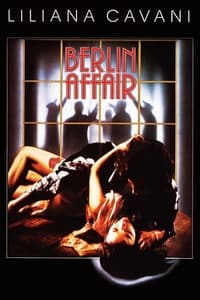
Interno berlinese
Werner von Heiden
1985

Anni difficili
Giovanni Piscitello
1948
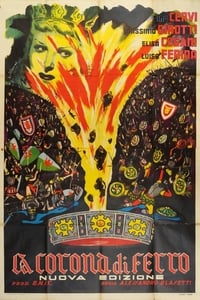
La corona di ferro
Arminio / King Licinio
1941
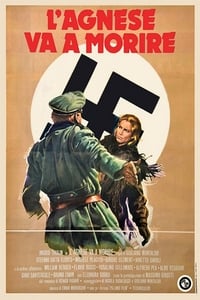
L'Agnese va a morire
Palita
1976
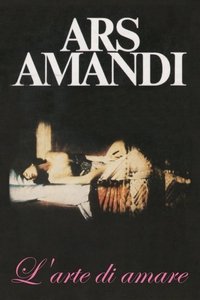
Ars amandi
Ovid
1983