Actor
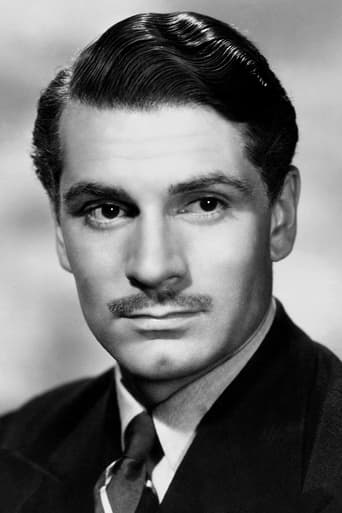
Laurence Olivier
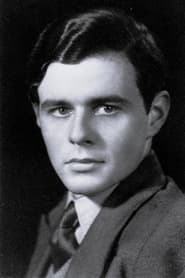
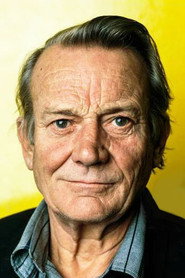
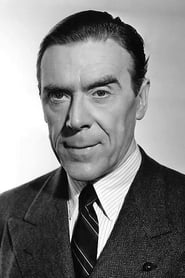
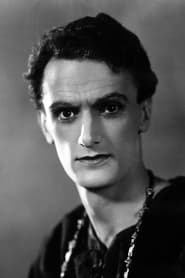
Laurence Kerr Olivier, Baron Olivier, OM (22 May 1907 – 11 July 1989) was an English actor and director who, along with his contemporaries Ralph Richardson, Peggy Ashcroft and John Gielgud, dominated the British stage of the mid-20th century. He also worked in films throughout his career, playing more than fifty cinema roles. Late in his career, he had considerable success in television roles. His family had no theatrical connections, but Olivier's father, a clergyman, decided that his son should become an actor. After attending a drama school in London, Olivier learned his craft in a succession of acting jobs during the late 1920s. In 1930 he had his first important West End success in Noël Coward's Private Lives, and he appeared in his first film. In 1935 he played in a celebrated production of Romeo and Juliet alongside Gielgud and Ashcroft, and by the end of the decade he was an established star. In the 1940s, together with Richardson and John Burrell, Olivier was the co-director of the Old Vic, building it into a highly respected company. There his most celebrated roles included Shakespeare's Richard III and Sophocles's Oedipus. In the 1950s Olivier was an independent actor-manager, but his stage career was in the doldrums until he joined the avant garde English Stage Company in 1957 to play the title role in The Entertainer, a part he later played on film. From 1963 to 1973 he was the founding director of Britain's National Theatre, running a resident company that fostered many future stars. His own parts there included the title role in Othello (1965) and Shylock in The Merchant of Venice (1970). Among Olivier's films are Wuthering Heights (1939), Rebecca (1940), and a trilogy of Shakespeare films as actor-director: Henry V (1944), Hamlet (1948), and Richard III (1955). His later films included The Shoes of the Fisherman (1968), Sleuth (1972), Marathon Man (1976), and The Boys from Brazil (1978). His television appearances included an adaptation of The Moon and Sixpence (1960), Long Day's Journey into Night (1973), Love Among the Ruins (1975), Cat on a Hot Tin Roof (1976), Brideshead Revisited (1981) and King Lear (1983). Olivier's honours included a knighthood (1947), a life peerage (1970) and the Order of Merit (1981). For his on-screen work he received four Academy Awards, two British Academy Film Awards, five Emmy Awards and three Golden Globe Awards. The National Theatre's largest auditorium is named in his honour, and he is commemorated in the Laurence Olivier Awards, given annually by the Society of London Theatre. He was married three times, to the actresses Jill Esmond from 1930 to 1940, Vivien Leigh from 1940 to 1960, and Joan Plowright from 1961 until his death.
Născut
22 mai 1907
Zodie
Gemeni
Decedat
11 iulie 1989
Locul nașterii
Dorking, Surrey, England, UK
Universul filmelor sale
Colaborări frecvente
Regie · 3 filme
Laurence Olivier
Hamlet, Prințul și fata de spectacol, The Chronicle History of King Henry the Fifth with His Battell Fought at Agincourt in France
Parteneri frecvenți
Filme
119 filme
Spartacus
Marcus Licinius Crassus
1960
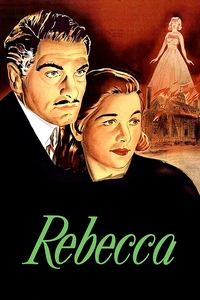
Rebecca
Maxim de Winter
1940
Căpitanul Sky şi lumea viitorului
Dr. Totenkopf (archive footage)
2004

Marathon Man
Dr. Christian Szell
1976
Un pod prea îndepărtat
Dr. Jan Spaander
1977
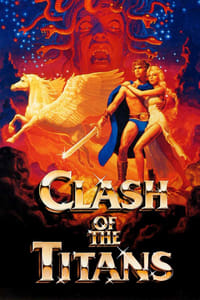
Înfruntarea titanilor
Zeus
1981
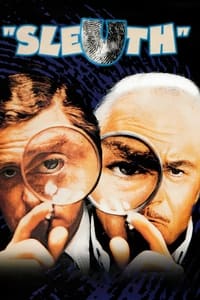
Sleuth
Andrew Wyke
1972
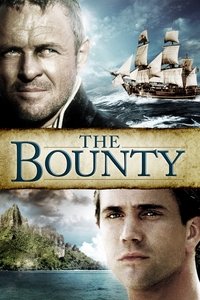
The Bounty
Admiral Hood
1984

The Boys from Brazil
Ezra Lieberman
1978
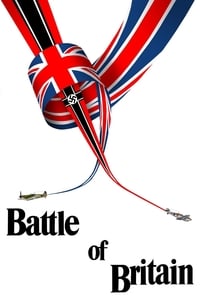
Battle of Britain
Air Chief Marshal Sir Hugh Dowding
1969
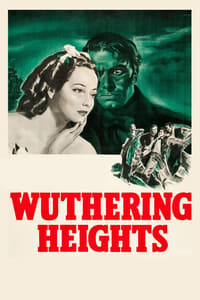
La răscruce de vânturi
Heathcliff
1939
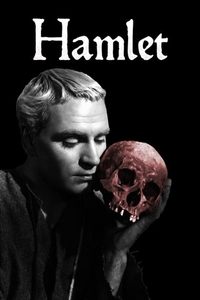
Hamlet
Hamlet - Prince of Denmark / Voice of Ghost
1948
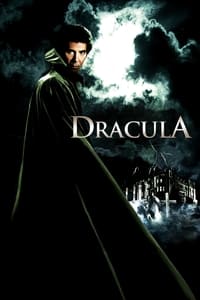
Dracula
Prof. Abraham Van Helsing
1979
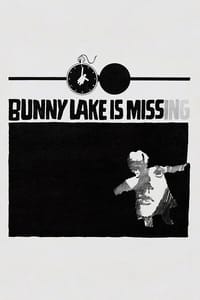
Bunny Lake Is Missing
Newhouse
1965
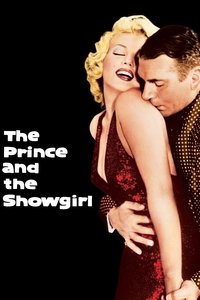
Prințul și fata de spectacol
The Regent
1957
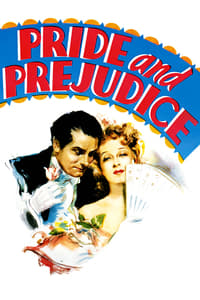
Pride and Prejudice
Mr. Darcy
1940
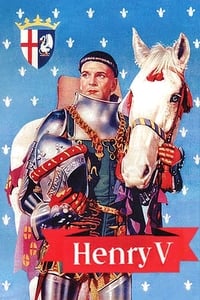
The Chronicle History of King Henry the Fifth with His Battell Fought at Agincourt in France
King Henry
1944
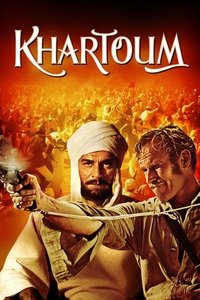
Khartoum
Mahdi
1966
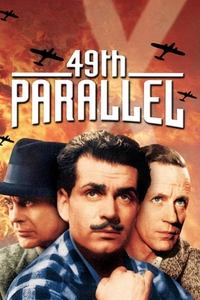
49th Parallel
Johnnie, the Trapper
1941
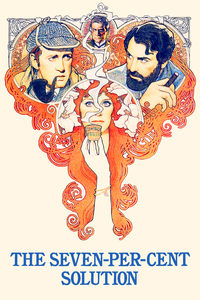
The Seven-Per-Cent Solution
Professor James Moriarty
1976
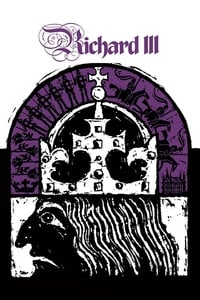
Richard III
Richard III
1955
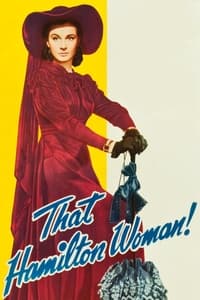
That Hamilton Woman
Lord Horatio Nelson
1941
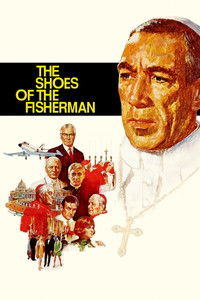
The Shoes of the Fisherman
Piotr Ilyich Kamenev
1968

Mica romanță
Julius
1979