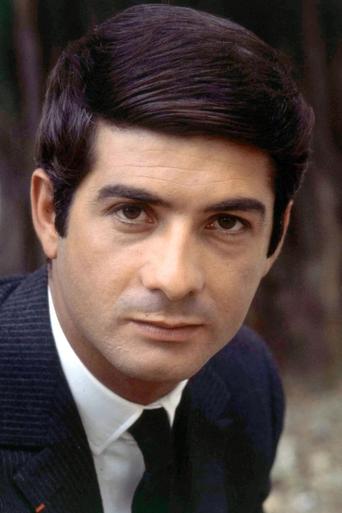
Actor
Jean-Claude Brialy
Jean-Claude Brialy (30 March 1933 – 30 May 2007) was a French actor and film director. Brialy was born in Aumale (now Sour El-Ghozlane), French Algeria, where his father was stationed with the French Army. Brialy moved to mainland France with his family in 1942. He was an alumnus of the Prytanée National Militaire. When he was 21 years old, he went to Paris to work as an actor. In 1956, Brialy acted in his first role in the short film Le coup du berger (Fool's Mate) by Jacques Rivette. By the late 1950s, he'd become one of the most prolific actors in the French nouvelle vague and a star. He appeared in films of nouvelle vague directors such as Claude Chabrol (Le Beau Serge, 1958; Les Cousins, 1959), Louis Malle (Ascenseur pour l'échafaud, 1958; Les Amants, 1958), François Truffaut (Les 400 Coups, 1959), Jean-Luc Godard, (Une femme est une femme, 1961), Éric Rohmer (Claire's Knee, 1970), as well as in films of other filmmakers such as Jean Renoir (Elena et les hommes 1958), Roger Vadim (La ronde, 1964), Philippe de Broca (Le Roi de cœur, 1966), Luis Buñuel (Le Fantôme de la liberté, 1974), and Claude Lelouch (Robert et Robert, 1978). In 2006, he appeared in his last role, as the eponymous character of the TV film Monsieur Max, directed by Gabriel Aghion. Godard described him as "the French Cary Grant," while Brialy's self-described "life models" had reportedly been actor Sacha Guitry and director Jean Cocteau. Brialy directed a number of films, including Églantine in 1971, which was loosely inspired by his own memories of a happy childhood spent in Chambellay with his grandparents, and Les volets clos (Closed shutters) in 1972. He owned the restaurant L'Orangerie, on the Île Saint-Louis; he'd also worked as a TV presenter, a singer, and a radio host. During the presentation of one of his books, Brialy described himself this way: "I'm a boy who got lucky enough to do what I love in life". Brialy, in 1959, acquired a château in the commune of Monthyon, near Paris. There, he accommodated and entertained many friends from the cinema and the theatre, such as Jean Marais, Pierre Arditi, and Romy Schneider whom he'd met during the 1958 production of the film Christine. Schneider, after the 1981 fatal accident of her son David, found a "refuge from the paparazzi" in Brialy's home. French singer Barbara would often sing at the piano. Director Jean-Pierre Melville used the château to shoot the last scenes of his 1970 crime film Le Cercle Rouge, where Alain Delon and Yves Montand are killed by the police. In his books, the autobiographical Le Ruisseau des singes (The river of monkeys) (2000) and the memoir J'ai oublié de vous dire (I Forgot to Tell You) (2004), Brialy revealed that he was bisexual. ... Source: Article "Jean-Claude Brialy" from Wikipedia in English, licensed under CC-BY-SA.
Născut
30 martie 1933
Zodie
Berbec
Decedat
30 mai 2007
Locul nașterii
Aumale, Alger, France [now Sour el Ghozlane, Algeria]
Universul filmelor sale
Colaborări frecvente
Regie · 3 filme
François Truffaut
Cele patru sute de lovituri, Mireasa era în negru, Les Mistons
Regie · 2 filme
Claude Miller
L'Effrontée, Mortelle randonnée
Regie · 2 filme
Claude Chabrol
Les Cousins, Le Beau Serge
Parteneri frecvenți

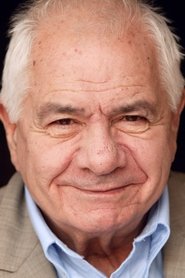
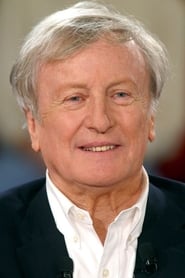
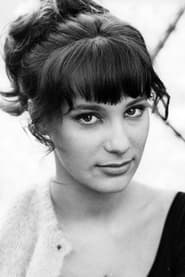
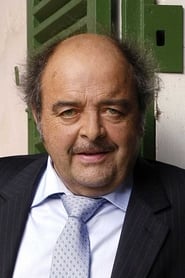
Filme
169 filme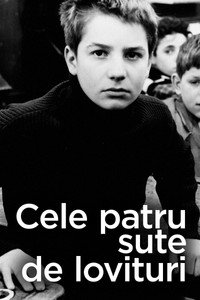
Cele patru sute de lovituri
L' Homme dans la rue
1959

Monstrul
Roccarotta
1994

Papy fait de la résistance
Le joueur de tennis flagorneur
1983

Regina Margot
Coligny
1994
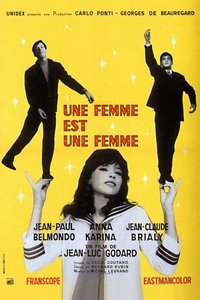
O femeie e o femeie
Émile Récamier
1961

Fantoma libertăţii
Mr. Foucault
1974
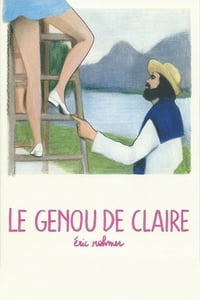
Genunchiul lui Claire
Jérôme
1970
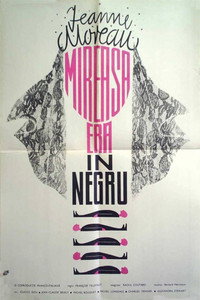
Mireasa era în negru
Corey
1968
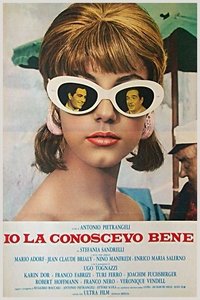
O cunoșteam bine
Dario Marchionni
1965
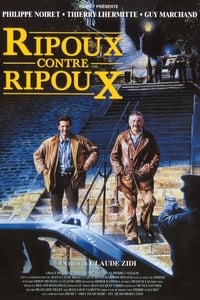
Ripoux contre Ripoux
Le banquier
1990
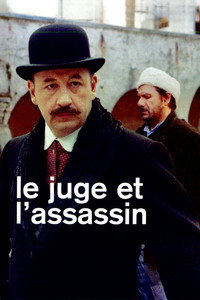
Le Juge et l'Assassin
Avocat Villedieu
1976

L'Effrontée
Sam
1985

Mortelle randonnée
Voragine
1983
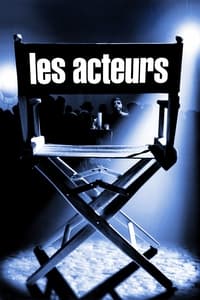
Actorii
Jean-Claude Brialy
2000
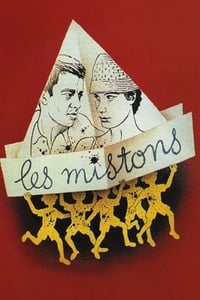
Les Mistons
The man in the film
1957
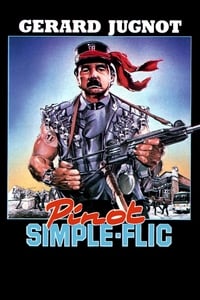
Pinot simple-flic
Morcy
1984
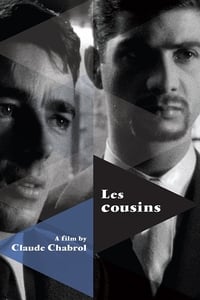
Les Cousins
Paul
1959
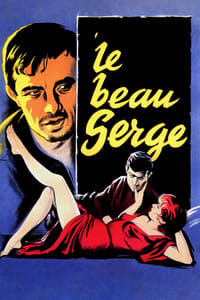
Le Beau Serge
François
1959
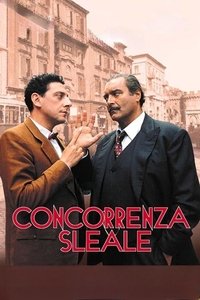
Concorrenza sleale
Mattia Della Rocca
2001

Les uns et les autres
Le directeur du Lido
1981

Les Clefs de bagnole
Actor who refuses to film with Laurent
2003
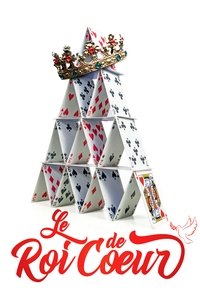
Regele de cupă
Duke of Clover
1966
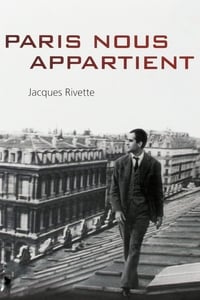
Paris nous appartient
Jean-Marc
1961
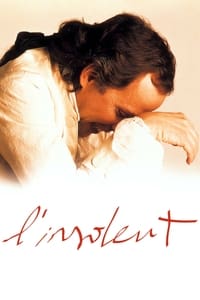
Beaumarchais, l'insolent
Abbot
1996